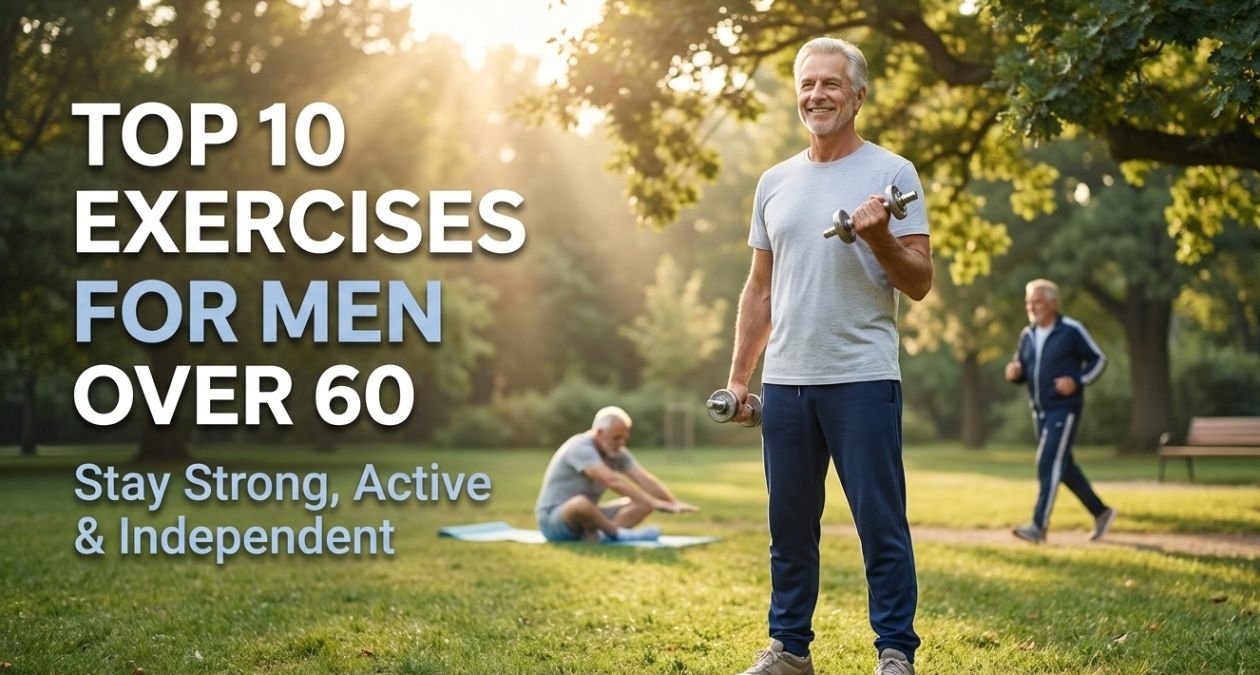
Reaching the age of 60 is not the end of physical fitness—in fact, it is the beginning of a smarter and more balanced approach to exercise. Many men over 60 believe workouts are risky or unnecessary, but medical science and real-life experience clearly show that regular, age-appropriate exercise improves strength, mobility, heart health, mental sharpness, and overall quality of life.
The key is not heavy gym lifting or extreme routines. The goal is safe movement, joint protection, balance improvement, and muscle preservation. In this article, we will explore the top 10 exercises for men over 60, explain why they matter, and show how to do them correctly without injury.
Why Exercise Is Essential After 60
As men age, the body naturally transform through changes:
- Muscle mass loose (sarcopenia)
- Bones start to weaken
- Joints lose flexibility
- Loss of balance increases the risk of falling.
- Metabolism level slows down
- Heart health needs more attention
Regular exercise and meditation helps slow or even reverse many of these effects. It improves blood circulation, strengthens muscles and bones, controls blood sugar, supports joint health, and boosts confidence.
Even 30 minutes a day can make a noticeable difference.
Safety Tips Before Starting
Before starting any exercise routine:
- Consult your doctor if you have heart issues, joint pain, diabetes, or high blood pressure
- Start slow and increase gradually
- Warm up for 5–10 minutes
- Focus on correct posture, not speed
- Stop immediately if you feel dizziness or sharp pain
1. Walking – The Best All-Round Exercise
Walking is one of the safest and most effective exercises for men over 60.
Benefits:
- Improves heart health
- Reduces blood pressure
- Strengthens leg muscles
- Improves mood and mental clarity
- Supports weight management
How to Do It:
- Walk at a comfortable pace
- Swing your arms naturally
- Keep your back straight and shoulders relaxed
- Start with 15 minutes and gradually increase to 30–45 minutes
Walking daily is more beneficial than intense workouts done occasionally.
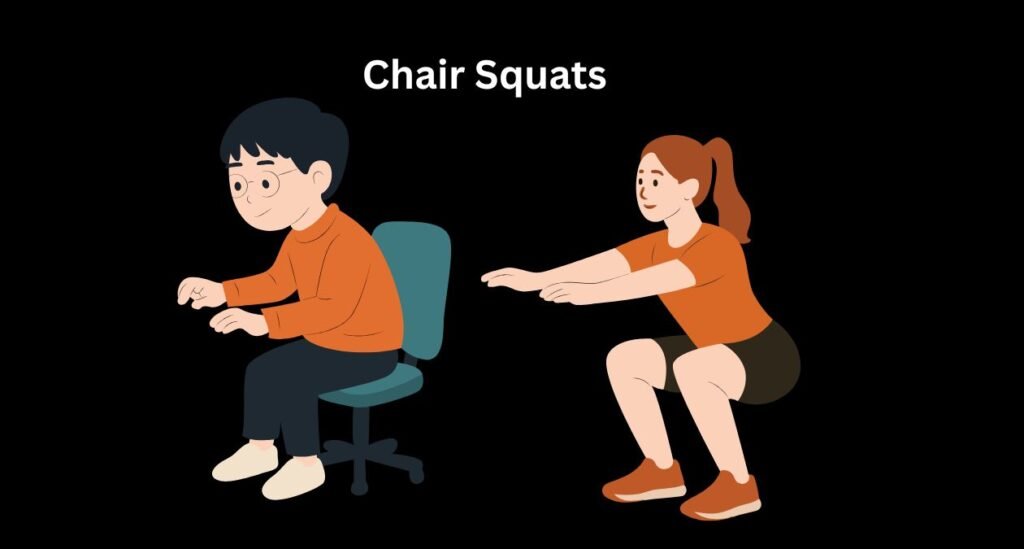
2. Chair Squats – Strengthen Legs Safely
Chair squats help maintain leg strength, which is essential for walking, climbing stairs, and preventing falls.
Benefits:
- Strengthens thighs and hips
- Improves balance
- Supports knee health
- Enhances daily movement
How to Do It:
- Stand in front of a sturdy chair
- Slowly lower yourself as if sitting
- Lightly touch the chair, then stand back up
- Keep knees aligned with toes
- Do 8–12 repetitions
Use armrests for support if needed.
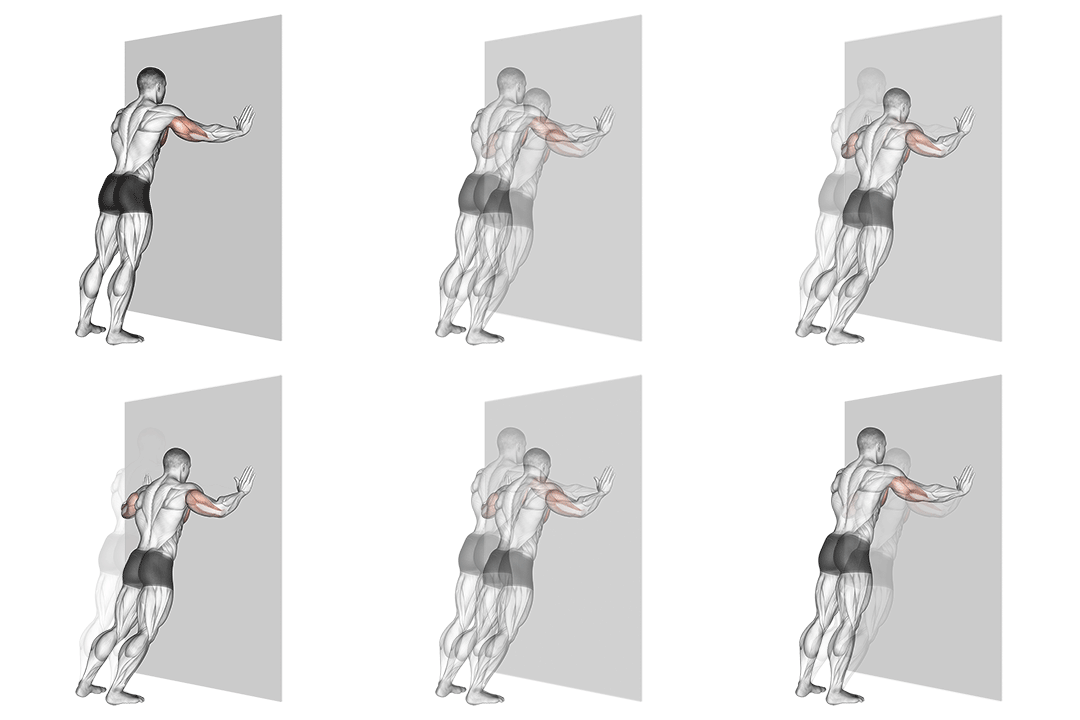
3. Wall Push-Ups – Upper Body Strength Without Strain
Wall push-ups are a joint-friendly alternative to floor push-ups.
Benefits:
- Strengthens chest, shoulders, and arms
- Improves posture
- Enhances upper body mobility
How to Do It:
- Stand arm-length away from a wall
- Place palms on the wall at chest level
- Bend elbows and lean forward
- Push back to the starting position
- Do 10–15 repetitions
4. Standing Calf Raises – Improve Balance and Stability
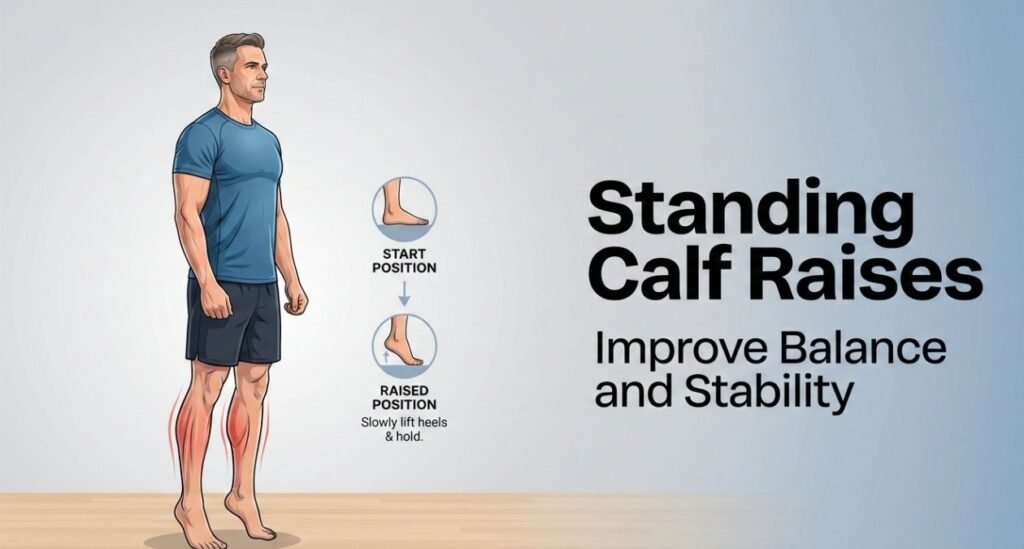
Strong calves improve walking ability and ankle stability.
Benefits:
- Strengthens lower legs
- Improves balance
- Reduces fall risk
- Supports circulation
How to Do It:
- Hold the back of a chair
- Slowly rise onto your toes
- Hold for 2 seconds
- Lower heels slowly
- Repeat 10–15 times
Read this- Vaginal yeast infection: Complete Guide
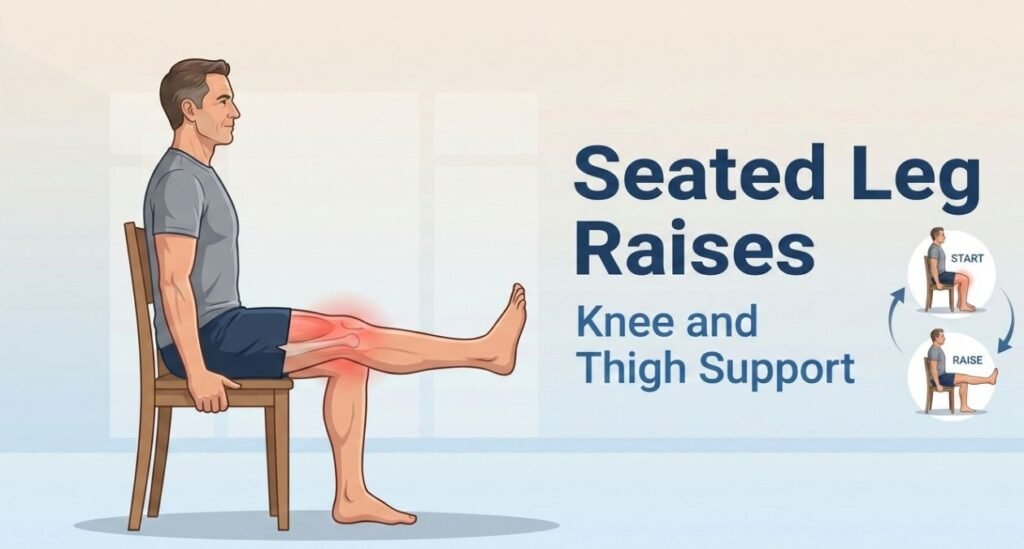
5. Seated Leg Raises – Knee and Thigh Support
This exercise is ideal for men with knee discomfort.
Benefits:
- Strengthens quadriceps
- Improves knee stability
- Supports joint movement
How to Do It:
- Sit upright on a chair
- Extend one leg straight
- Hold for 5 seconds
- Lower slowly and switch legs
- Do 10 repetitions per leg
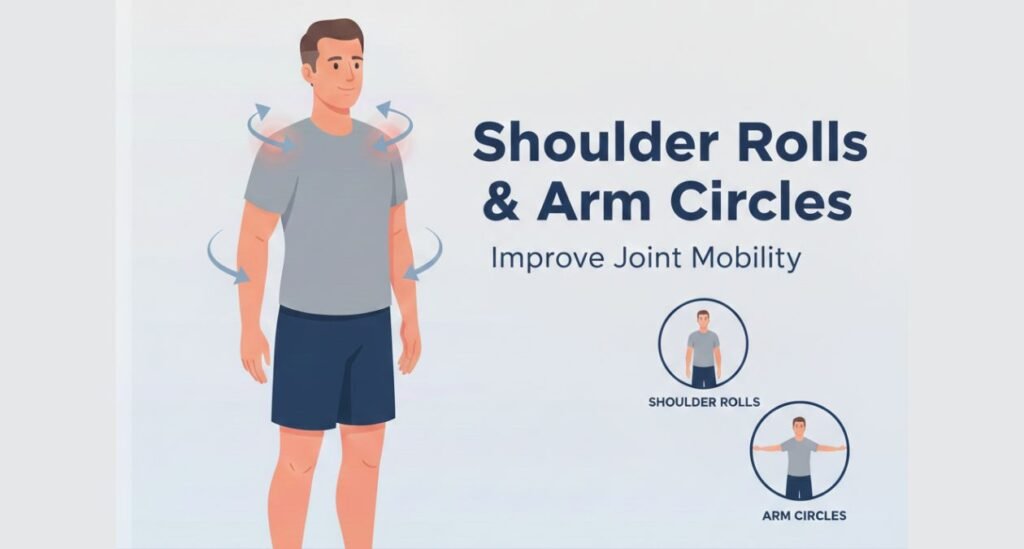
6. Shoulder Rolls and Arm Circles – Joint Mobility
Shoulder stiffness is common after 60. These simple movements help maintain flexibility.
Benefits:
- Improves shoulder mobility
- Reduces stiffness
- Enhances blood flow
How to Do It:
- Roll shoulders forward and backward
- Extend arms and make small circles
- Perform slowly for 1–2 minutes
Read this- How to Recover Dry Lips in Winter: Best Home Remedies That Actually Work
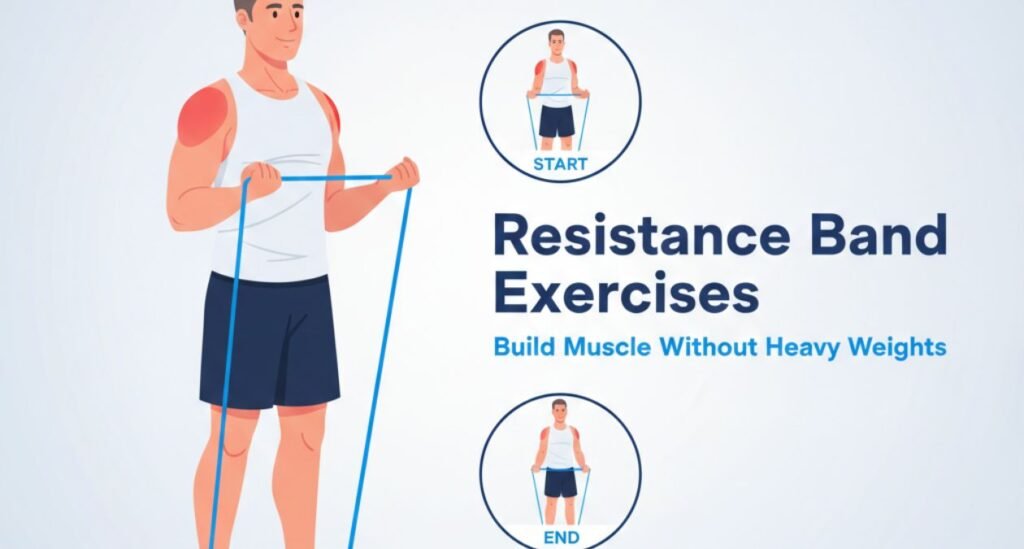
7. Resistance Band Exercises – Muscle Without Heavy Weights
Resistance bands are excellent for building muscle safely.
Benefits:
- Builds strength without joint stress
- Improves coordination
- Easy to control resistance
Examples:
- Bicep curls
- Chest pulls
- Leg presses
Do 8–12 repetitions with controlled movement.
8. Standing Side Leg Raises – Hip Strength and Balance
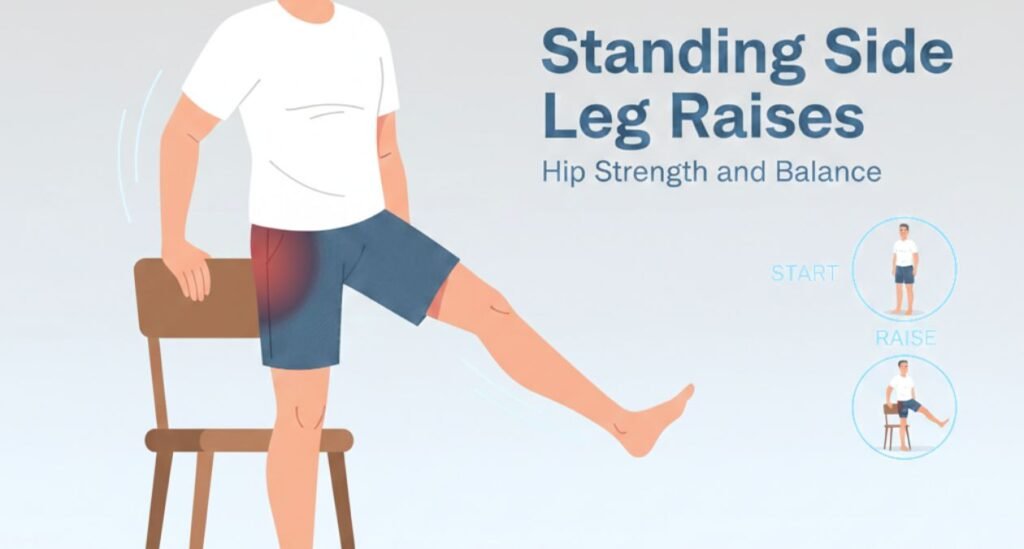
Hip strength is essential for walking and balance.
Benefits:
- Strengthens hip muscles
- Improves stability
- Supports lower back health
How to Do It:
- Hold a chair for balance
- Lift one leg sideways
- Keep back straight
- Lower slowly
- Repeat 10 times per side
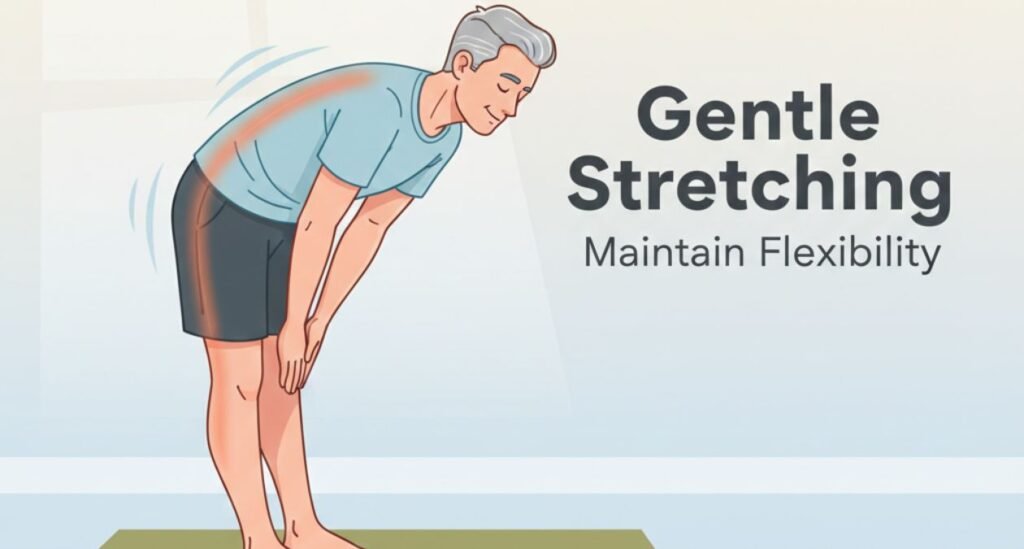
9. Gentle Stretching – Maintain Flexibility
Stretching prevents stiffness and improves circulation.
Benefits:
- Improves flexibility
- Reduces muscle tightness
- Prevents injury
Focus Areas:
- Hamstrings
- Calves
- Back
- Neck
- Shoulders
Hold each stretch for 20–30 seconds without bouncing.
10. Balance Exercises (Single-Leg Stand)
Balance training is crucial for preventing falls.
Benefits:
- Improves coordination
- Strengthens stabilizing muscles
- Builds confidence in movement
How to Do It:
- Stand near a wall or chair
- Lift one foot slightly
- Hold for 10–20 seconds
- Switch legs
Progress slowly.
How Often Should Men Over 60 Exercise?
A balanced weekly routine includes:
- 5 days of light cardio (walking)
- 2–3 days of strength training
- Daily stretching
- Balance exercises at least 3 times per week
Consistency is more important than intensity.
Mental Benefits of Exercise After 60
Exercise is not only for the body. It also:
- Reduces stress and anxiety
- Improves sleep quality
- Enhances memory and focus
- Boosts self-confidence
- Helps fight depression
Many men report feeling mentally younger when they stay active.
Final Thoughts
Age should never be a barrier to movement. The body may change, but it still responds positively to care, consistency, and gentle challenge. These top 10 exercises for men over 60 are safe, effective, and designed to support independence, strength, and confidence.
You do not need expensive equipment or gym memberships. Just commitment, patience, and respect for your body.
Start today—your future self will thank you.