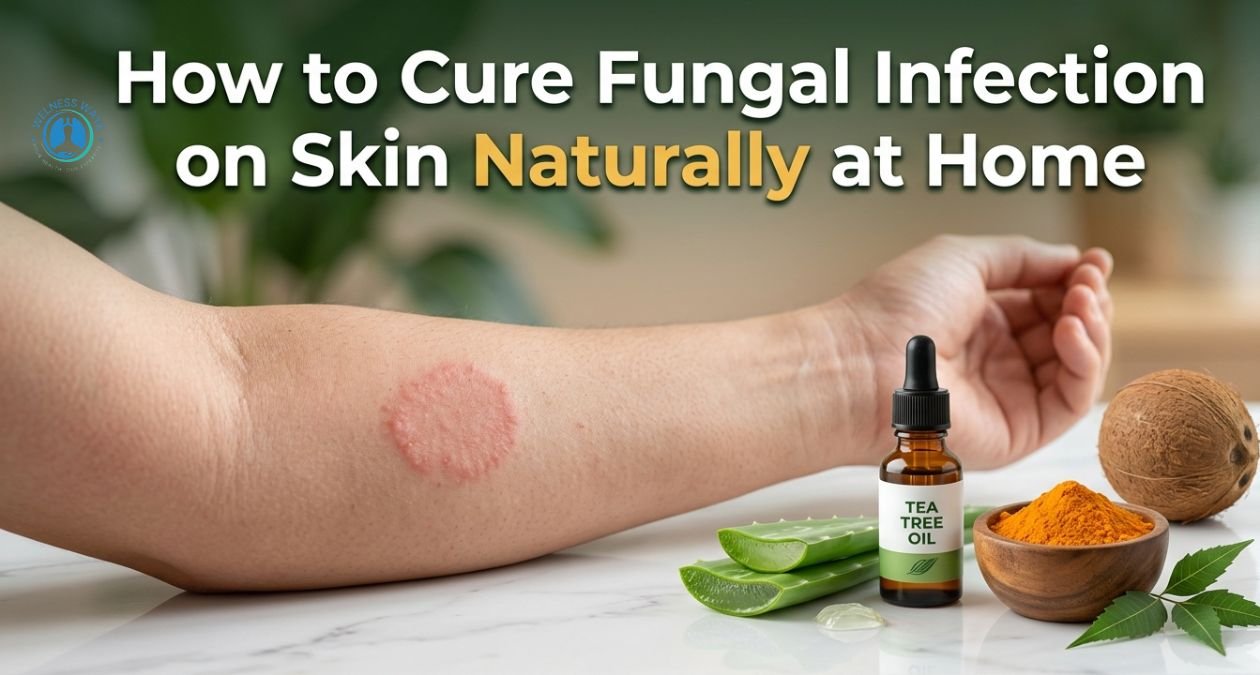
It’s a very common Skin problem. Many people face itching, redness, rashes, and burning because of fungal growth. It can happen in any season, but it is more common in hot and humid weather. The good news is that mild fungal infections can often be managed naturally at home with proper hygiene and simple Home remedies.
In this article, you will learn How to cure fungal infection naturally at home , what causes it, natural remedies, prevention tips, and answers to common questions.
What is a Fungal Infection on Skin?
A fungal infection happens when fungus grows on the skin. Fungus lives naturally in our environment and even on our body. But when there is too much moisture, sweat, or weak immunity, fungus can multiply and cause infection.
Common skin fungal infections include:
- Ringworm
- Athlete’s foot
- Jock itch
- Candidiasis
Common Symptoms of Skin Fungal Infection
You should look for these signs:
- Itching and irritation
- Red or scaly patches
- Burning sensation
- Peeling skin
- Circular rash (especially in ringworm)
- Cracks between toes or skin folds
If symptoms are severe or spreading fast, you should consult a doctor.
Causes of Fungal Infection
Understanding the cause helps in proper treatment. Some common causes are:
- Excess sweating
- Wearing tight or wet clothes
- Poor hygiene
- Sharing towels or clothes
- Weak immune system
- Diabetes or obesity
- Staying in humid environment
How to Cure Fungal Infection on Skin Naturally at Home
Here are some safe and natural remedies that may help control mild fungal infections. These remedies are based on traditional use and some scientific support.
Also Read- Top 10 Biotin-Rich Foods: A Complete Guide to Boost Your Health Naturally
1. Tea Tree Oil
Tea tree oil has natural antifungal and antibacterial properties.
How to use:
- Mix 2–3 drops of tea tree oil with coconut oil
- Apply on the affected area 2 times daily
Benefit:
It may reduce itching and slow fungal growth.
Always do a patch test before use.
2. Coconut Oil
Coconut oil contains fatty acids that may help fight fungus.
How to use:
- Apply pure coconut oil on clean skin
- Leave it overnight
Benefit:
Moisturizes skin and may reduce fungal spread.
3. Aloe Vera Gel
Aloe vera is soothing and may help reduce inflammation.
How to use:
- Take fresh aloe vera gel
- Apply directly on infection area
- Use 2–3 times daily
Benefit:
Helps calm irritation and supports healing.
4. Garlic Paste
Garlic has strong antifungal compounds like allicin.
How to use:
- Crush fresh garlic
- Mix with olive oil
- Apply for 15–20 minutes then wash
Benefit:
May help reduce fungal activity.
Do not leave garlic too long as it can irritate skin.
5. Apple Cider Vinegar
Apple cider vinegar creates an acidic environment that fungus does not like.
How to use:
- Mix equal water and vinegar
- Apply with cotton ball
- Use twice daily
Benefit:
May reduce itching and infection spread.
6. Turmeric Paste ✨
Turmeric has anti-inflammatory and antimicrobial properties.
How to use:
- Mix turmeric powder with water
- Apply paste on affected skin
- Wash after drying
Benefit:
Supports skin healing naturally.
7. Neem Leaves
Neem is widely used in Ayurveda for skin problems.
How to use:
- Boil neem leaves in water
- Use this water to wash infected area
Benefit:
Helps maintain skin cleanliness and may control fungus.
Important Hygiene Tips to Cure Fungal Infection Faster
Natural remedies work better when you follow good hygiene.
- Keep skin clean and dry
- Change sweaty clothes immediately
- Wear loose cotton clothes
- Do not share towels or soap
- Wash bedsheets regularly
- Dry body properly after bathing
- Use antifungal dusting powder if needed
These habits can stop fungus from growing again.
Foods That May Help Fight Fungal Infection
Healthy diet supports immunity and healing.
Eat more:
- Yogurt (contains probiotics)
- Garlic
- Green vegetables
- Fruits rich in vitamin C
- Nuts and seeds
Avoid too much:
- Sugar
- Junk food
- Excess alcohol
- Refined carbs
Balanced diet helps the body fight infections naturally
When to See a Doctor?
Home remedies are useful only for mild infections.
Consult a doctor if:
- Infection spreads quickly
- Severe pain or swelling
- No improvement after 1–2 weeks
- You have diabetes
- Infection comes again and again
Doctors may prescribe antifungal creams or medicines for faster cure.
How to Prevent Fungal Infection Naturally
Prevention is always better than cure.
- Bathe daily
- Keep feet dry
- Wear breathable footwear
- Use separate personal items
- Maintain healthy weight
- Strengthen immunity with exercise
These small steps can save you from repeated fungal infections
Conclusion
Fungal infection on skin can be uncomfortable but it is usually manageable. By using natural remedies like tea tree oil, coconut oil, aloe vera, neem, and turmeric, along with proper hygiene and healthy diet, many mild infections can improve at home.
However, it is important to watch symptoms carefully. If the infection becomes severe or does not improve, medical treatment is necessary.
Taking care of cleanliness, moisture control, and immunity is the best natural way to stay safe from fungal infections
Frequently Asked Questions (Q&A)
Q1. Can fungal infection go away naturally?
Yes, mild fungal infections may improve naturally with good hygiene and home remedies, but some cases need antifungal medicine.
Q2. Is coconut oil good for fungal infection?
Coconut oil may help reduce fungal growth and soothe itching due to its natural fatty acids.
Q3. How long does fungal infection take to heal?
Mild infections may improve in 1–2 weeks. Severe infections can take longer and may need medical treatment.
Q4. Can sweating cause fungal infection?
Yes, excess sweating creates moisture that helps fungus grow on skin.
Q5. Is garlic safe for skin infection?
Garlic may help due to antifungal properties, but it should be used carefully and not left too long on skin.
Q6. What soap is best for fungal infection?
Mild antifungal or medicated soaps can help, but natural hygiene and dryness are more important.
Q7. Can fungal infection spread from person to person?
Yes, it can spread through sharing clothes, towels, or direct skin contact.