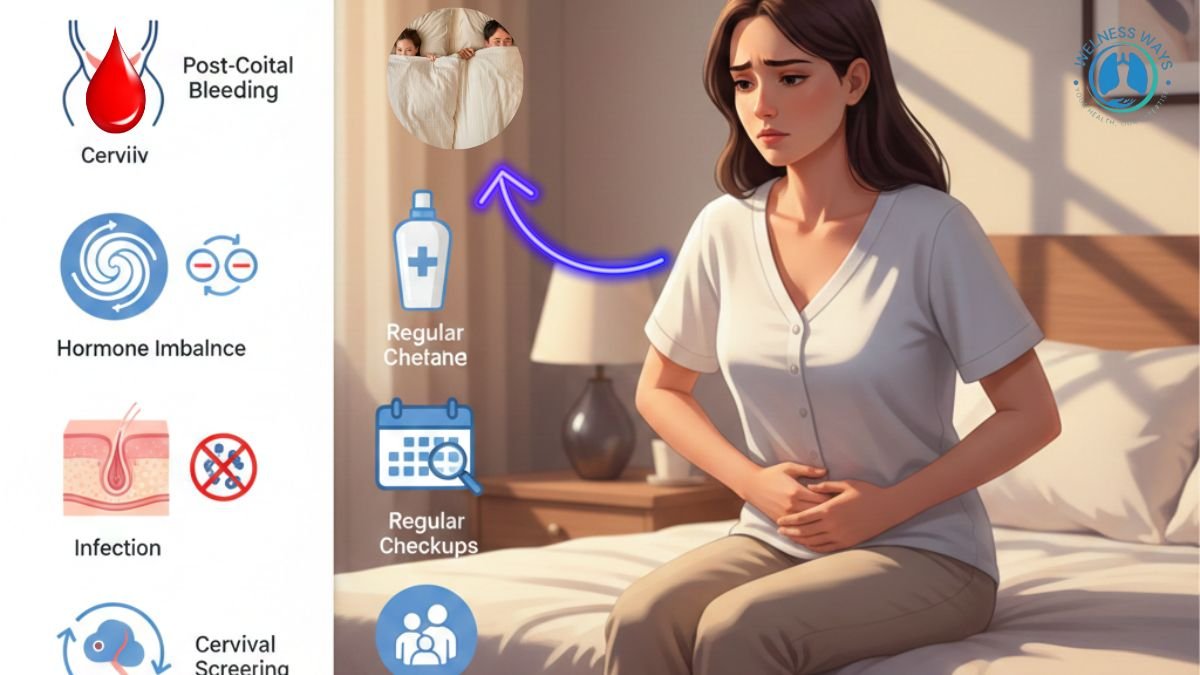
Bleeding after Intercourse, medically known as post-coital bleeding, can feel alarming, but it is not always a sign of a serious problem. In many cases, it happens due to minor and treatable reasons. Understanding why it occurs, how to manage it, and when medical attention is necessary can help reduce anxiety and ensure timely care.
Light Spotting After Intercourse
Occasional light spotting or mild bleeding after intercourse is fairly common. It can occur when the delicate tissues of the vagina or cervix become slightly irritated during Intercourse. This is more likely if intercourse is vigorous, prolonged, or if there is insufficient natural lubrication.
In most cases, this type of bleeding is harmless and resolves on its own. However, if it happens frequently, it’s important to consult a healthcare professional to rule out underlying issues.
Minor Vaginal or Cervical Injuries
The vaginal walls and cervix are sensitive and can be easily injured during rough or prolonged intercourse. Small tears or abrasions may lead to bleeding afterward. Using adequate lubrication, taking time for arousal, and being gentle can significantly reduce the risk of injury.
If bleeding continues or becomes heavier, medical advice should be sought to ensure proper healing and exclude other causes.
Light Spotting After Intercourse
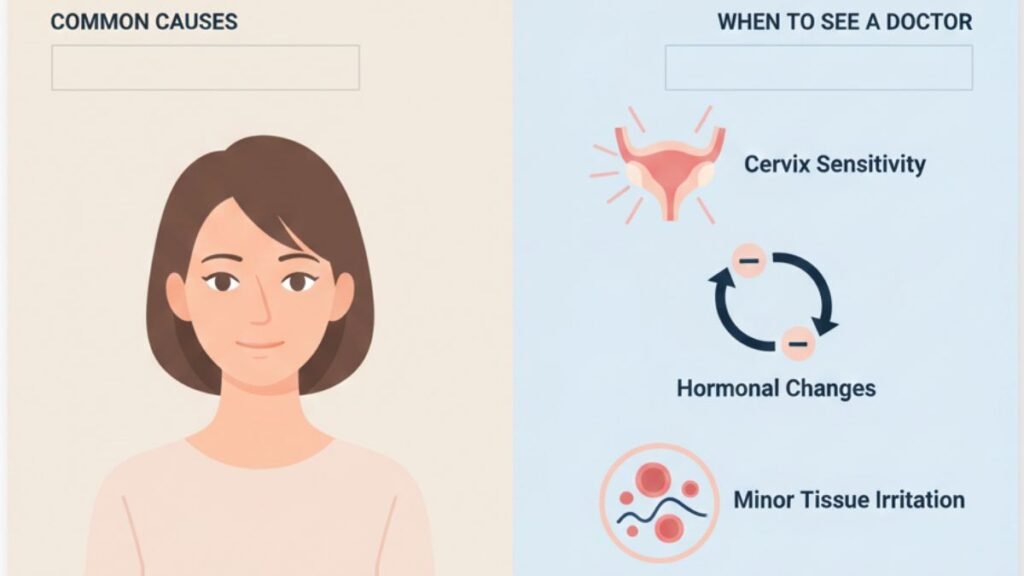
Infections such as yeast infections, bacterial vaginosis, or sexually transmitted infections (STIs) like chlamydia or gonorrhoea can inflame vaginal tissues, making them more prone to bleeding during or after Intercourse.
Other signs of infection may include:
- Unusual discharge
- Itching or burning
- Foul or strong odour
- Pelvic discomfort
Prompt diagnosis and treatment are essential to prevent complications and relieve symptoms.
Cervical Conditions: Benign and Serious
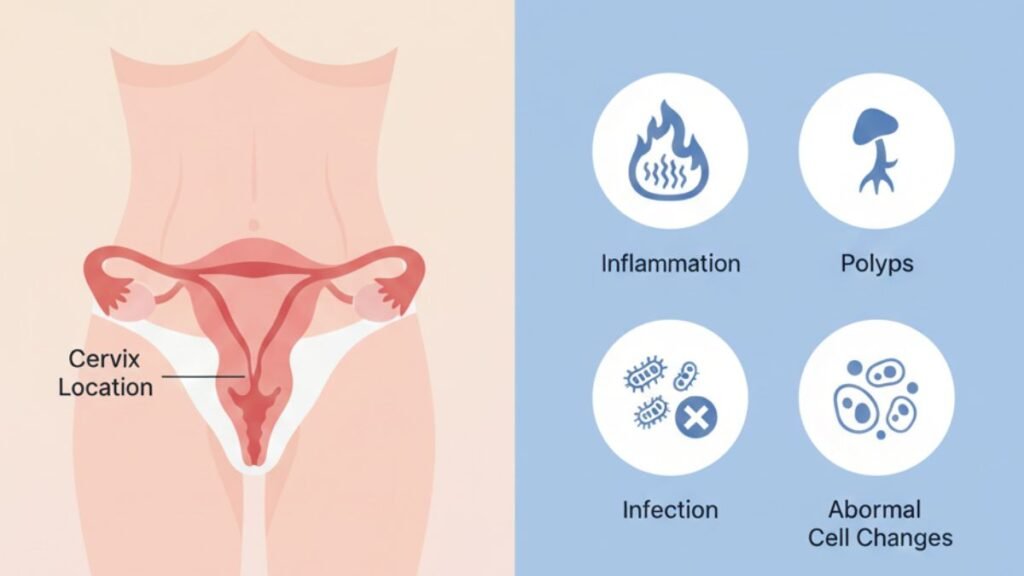
Certain changes in the cervix can cause post-coital bleeding. Cervical polyps, which are non-cancerous growths, may bleed when touched during intercourse. These are usually harmless and can be removed easily if needed.
Another condition, cervical ectropion, occurs when soft cervical cells grow on the outer surface of the cervix. This condition is generally benign but can cause bleeding.
In rare cases, persistent bleeding after sex may be linked to cervical cancer. This is why regular cervical screening (Pap smears) is extremely important for early detection and effective treatment.
Bleeding After Intense or Prolonged Intercourse
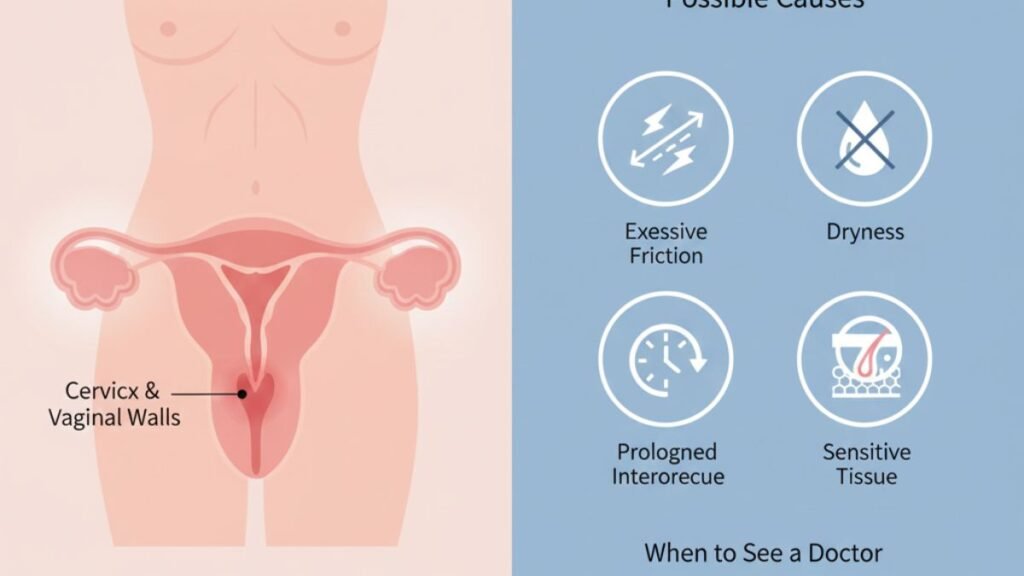
Sex that is particularly intense or lasts for a long time can sometimes cause temporary irritation or small tears in the vaginal lining. This usually results in short-term bleeding that heals naturally.
Repeated episodes, however, should not be ignored and should be evaluated by a healthcare provider.
Hormonal Changes and Vaginal Dryness
Hormonal fluctuations can significantly affect vaginal health. Low oestrogen levels during menopause, breastfeeding, or due to certain medications can cause vaginal dryness, making intercourse uncomfortable and increasing the risk of bleeding.
Using water-based lubricants can help reduce friction. In some cases, doctors may recommend oestrogen creams or other hormonal treatments to restore vaginal moisture and tissue health.
Postmenopausal Bleeding
Bleeding after Intercourse in postmenopausal women should always be checked by a doctor. Common causes include:
- Thinning of the vaginal lining (atrophic vaginitis)
- Thinning of the uterine lining
- Cervical or uterine polyps
- Thickening of the uterine lining (endometrial hyperplasia)
Early evaluation is crucial to rule out serious conditions and start appropriate treatment.
Intrauterine Devices (IUDs)
IUDs can sometimes cause spotting or bleeding, especially soon after insertion. Persistent or heavy bleeding may indicate displacement or irritation and should be assessed by a healthcare professional.
Lifestyle Factors That May Contribute
Certain lifestyle habits can increase the likelihood of post-coital bleeding:
- Smoking, which affects cervical health
- High stress levels, which can disrupt hormones
- Poor hydration and nutrition
Maintaining a healthy lifestyle, staying hydrated, avoiding smoking, and managing stress can support overall reproductive health.
When You Should See a Doctor
Seek medical advice if:
- Bleeding is heavy or lasts longer than two days
- Pain occurs during or after Intercourse
- There is abnormal discharge or unpleasant odour
- You are overdue for cervical screening
- Bleeding happens repeatedly
A healthcare provider can perform appropriate tests to identify the cause and recommend suitable treatment.
Treatment Options
Treatment depends on the underlying cause and may include:
- Lubricants and vaginal moisturisers
- Antibiotics for bacterial or STI infections
- Hormonal therapy for low oestrogen
- Antiviral medication for viral infections
- Removal of cervical polyps
- Cancer treatments such as surgery, chemotherapy, or radiation
- Pelvic floor exercises for uterine prolapse
- Surgical repair in severe cases
Home Care and Prevention Tips
To reduce the risk of bleeding after Intercourse:
- Use sufficient lubrication
- Avoid rough intercourse
- Stay well-hydrated
- Treat infections early
- Keep up with routine medical check-ups
How HealthHero Can Help
HealthHero provides convenient online consultations with experienced clinicians who can assess symptoms, arrange tests, and recommend treatment—all from the comfort of your home. Fast, confidential, and reliable support is just a click away.
Related article-:
Vaginal yeast infection: Complete Guide
How to Recover Dry Lips in Winter: Best Home Remedies That Actually Work
How to Control Hair Fall in Winter at Home: Complete Guide With Verified, Practical Tips