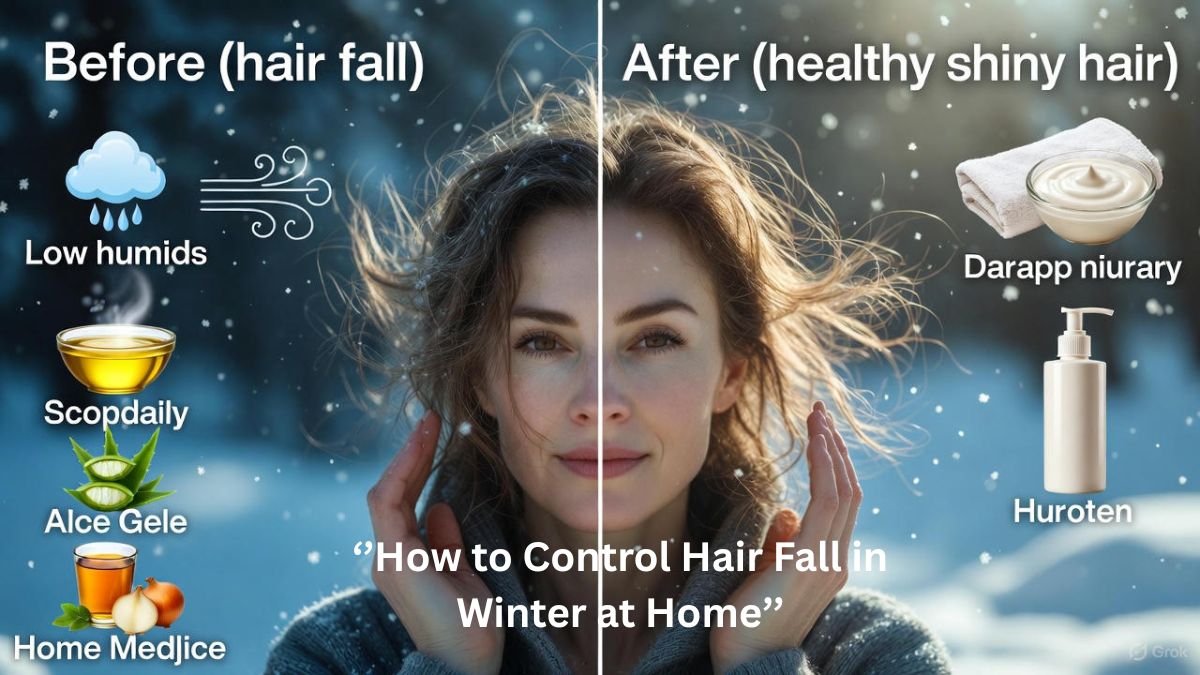
Winter is a beautiful season, but for many people, it brings an unwanted problem start hair fall. If you are notice more strands on your pillow, hairbrush, or bathroom floor during the cold months, you are not alone. Research shows that cold and dry weather weakens the scalp barrier and, leading to dryness, dandruff, breakage, and seasonal hair shedding.
The good news is that you don’t always need expensive treatments or salon visits to control hair fall. With the right home-based care, you can protect your scalp, strengthen your hair roots, and reduce winter shedding naturally.
This detailed article shares scientifically supported, practical, and easy-to-follow home remedies that will help you control hair fall in winter with Any side effect.
Why Does Hair Fall Increase in Winter?
Before jumping into solutions, it’s important to understand why winter triggers hair fall.
1. Dry Air and Cold Weather
Winter air has very low humidity. This strips moisture from both your scalp and hair shafts, leading to:
- Dry, itchy scalp
- Weak roots
- Split ends
- Excess hair breakage
2. Hot Water Showers
A warm bath feels amazing in winter, but hot water damages hair cuticles, removes natural oils, and causes the scalp to become flaky and dry.
3. Less Blood Circulation
Cold temperatures reduce blood flow to hair follicles. As a result, follicles receive fewer nutrients, leading to seasonal shedding.
4. Static and Friction
Woolen caps, scarves, and sweaters create friction and static electricity, leading to breakage.
5. Dandruff and Scalp Infections
Winter encourages fungal growth and flaky scalp, weakening the hair roots.
Effective Ways to Control Hair Fall in Winter at Home
SMT. HANSA JI share this remdy on her youtube channel the yoga Institute
Below are the most reliable and practical solutions that you can follow without any professional help. These solutions address the root causes of hair fall and strengthen your scalp naturally.
1. Oil Your Scalp Regularly (But the Right Way)
Oiling is one of the most effective winter hair care habits. It nourishes the scalp, improves blood circulation, and prevents dryness.
Best Oils for Winter Hair Fall
- Coconut oil: deeply moisturizes and reduces protein loss
- Castor oil: improves hair density and strengthens roots
- Olive oil: nourishes scalp and prevents frizz
- Sesame oil: warms the scalp and improves circulation
- Almond oil: rich in vitamin E and antioxidants
How to Use Oil Effectively
- Warm the oil slightly (not hot).
- Massage gently for 7–10 minutes to stimulate follicles.
- Leave it for 1–2 hours (or overnight if your scalp is very dry).
- Wash with a mild shampoo.
Tip: Mix coconut oil + castor oil + almond oil (1:1:1) for powerful results.
2. Avoid Hot Water on Hair
One of the biggest mistakes people make in winter is washing hair with very hot water.
Why it’s harmful:
- Makes hair brittle
- Strips natural oils
- Leads to dandruff
- Damages the hair cuticle
Better alternative
Use lukewarm or room-temperature water. It cleans the scalp without damaging the roots.
3. Use Natural Hair Masks for Strengthening
Homemade hair masks are chemical-free and highly effective for reducing hair fall.
Best Natural Hair Masks for Winter
a. Aloe Vera + Coconut Oil Mask
- Hydrates scalp
- Soothes irritation
- Strengthens roots
How to make:
2 tbsp aloe gel + 1 tbsp warm coconut oil → mix → apply → leave for 30 minutes → wash.
b. Fenugreek (Methi) Hair Mask
Fenugreek is rich in protein and nicotinic acid, both essential for strong hair.
How to make:
Soak 2 tbsp methi overnight → grind → apply paste → leave for 40 minutes → wash with mild shampoo.
c. Curd + Honey Mask
Curd acts as a natural conditioner and honey moisturizes.
How to make:
3 tbsp curd + 1 tbsp honey → apply → leave 25 minutes → rinse.
d. Banana + Olive Oil Mask
Controls frizz and prevents breakage.
4. Improve Your Winter Diet for Strong Hair
Hair health starts from within. Winter often makes people eat more fried food, sugary snacks, and tea, but this weakens hair.
Foods That Reduce Hair Fall
- Protein-rich foods: eggs, dal, paneer, fish, beans
- Healthy fats: nuts, seeds, avocados
- Iron: spinach, beetroot, dates, rajma
- Omega-3: walnuts, chia seeds, flaxseeds
- Vitamin C: orange, amla, kiwi
- Biotin-rich foods: peanuts, almonds, sweet potatoes
Hydration Matters
People drink less water in winter, leading to dryness and hair fall. Drink 6–8 glasses daily.
5. Keep Your Scalp Clean (But Don’t Overwash)
Overwashing removes natural oils, while not washing enough leads to dandruff buildup.
Balanced routine for winter:
- Wash hair 1–2 times a week
- Use a sulfate-free shampoo
- Apply conditioner every wash
- Do oiling before shampoo
Remember: Clean scalp = strong roots = less hair fall.
6. Reduce Dandruff Naturally
Winter dandruff is the #1 cause of seasonal hair fall.
Best Home Remedies for Dandruff
- Tea tree oil: Add 3–4 drops to your oil
- Neem water rinse: Boil neem leaves, cool, and rinse hair
- Aloe vera gel: Apply directly to scalp
- Apple cider vinegar: Mix with water (1:2) and spray before bath
These methods fight fungal infections and calm the scalp.
7. Don’t Brush Wet Hair
Hair is weakest when wet. Brushing it immediately can cause severe breakage.
What to do instead:
- Gently squeeze out excess water
- Let it air dry 70–80%
- Then comb using a wide-tooth wooden comb
8. Protect Hair From Winter Damage
Wear a Scarf or Cap
Cold wind and dry air make hair rough and weak. Protect it by covering with:
- A silk-lined cap
- A cotton scarf
- A satin scarf under wool caps
This prevents friction and static.
9. Use a Humidifier (Optional but Effective)
Indoor heaters reduce humidity, drying your scalp. Using a humidifier at night helps restore moisture naturally.
If you don’t have one:
Place a bowl of water in your room to increase moisture.
10. Trim Split Ends Regularly
Split ends increase hair fall and make hair look dull. Trim your hair every 8–10 weeks to maintain healthy growth.
11. Avoid Over-Styling and Chemical Products
During winter, your hair is already dry. Using heat styling tools worsens breakage.
Avoid:
- Straighteners
- Curling rods
- Blow-dry daily
- Chemical hair sprays
- Harsh gels
If you must use heat, always apply a heat protectant serum.
12. Stay Stress-Free
Stress is a scientifically proven cause of hair fall (telogen effluvium). Winter blues, low sunlight, and indoor lifestyle can increase stress.
Try:
- 10 minutes daily meditation
- 30 minutes walking
- Listening to relaxing music
- Yoga or deep breathing
A calm mind = healthy hormones = stronger hair.
13. Maintain a Consistent Hair Care Routine
The biggest reason home remedies fail is inconsistency.
Follow a simple routine:
Weekly Routine
- Oil massage twice
- Hair wash 1–2 times
- Hair mask once
Daily Care
- 2–3 minutes scalp massage
- Drink water
- Avoid scratching dandruff
- Maintain a balanced diet
Consistency gives visible results within 4–6 weeks.
Conclusion
Controlling hair fall in winter is absolutely possible with natural home-based care. The cold season may dry out your scalp and weaken roots, but with the right habits—like oiling, gentle washing, hydration, proper diet, and scalp protection—you can maintain strong, thick, healthy hair even in the driest weather.
The key is to treat your hair gently, nourish it from the inside, and follow a consistent routine. With these simple yet effective winter-friendly tips, you will not only control hair fall but also improve hair shine, volume, and overall strength.
Read this- Symptoms of Diabetes in Women: Early Warning Signs You Should Never